Category: Energy Renewables Blog

Average Lifespan of a Solar Panel: 25–30 Years and How to Maximize Durability

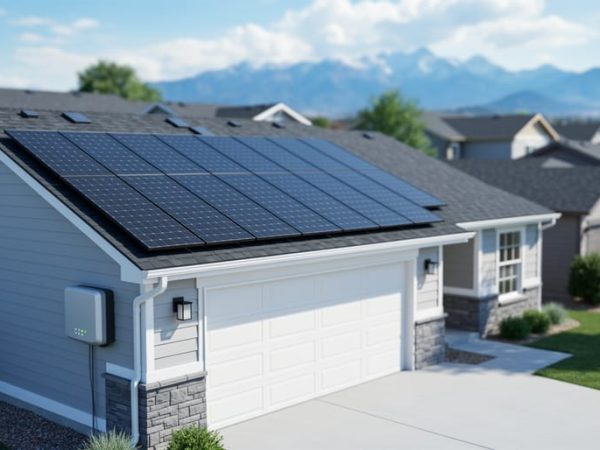
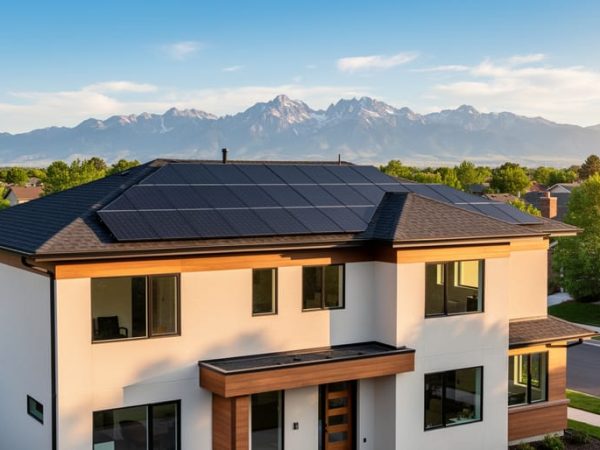
Solar panels installed on your Colorado home will typically last 25 to 30 years before needing replacement, but here’s what that number really means: your panels won’t suddenly stop working when they hit their 25th birthday. Instead, they’ll continue generating electricity well beyond three decades, just at a gradually reduced efficiency.
The industry standard warranty of 25 years guarantees that panels will still operate at 80-85% of their original capacity by that point. That efficiency drop, about 0.5% per year, happens …
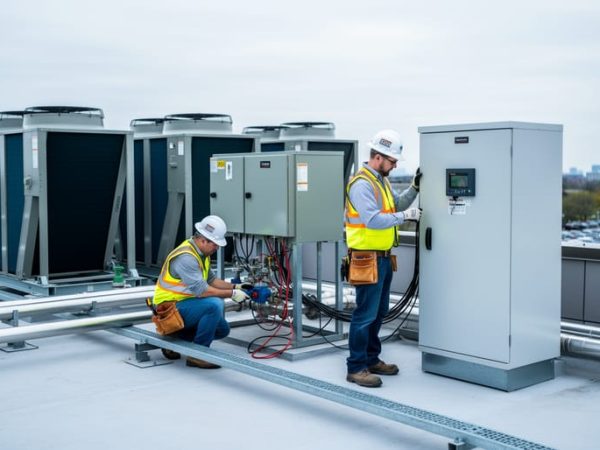
Who Maintains Commercial Building Energy Systems — and How It Differs from Residential

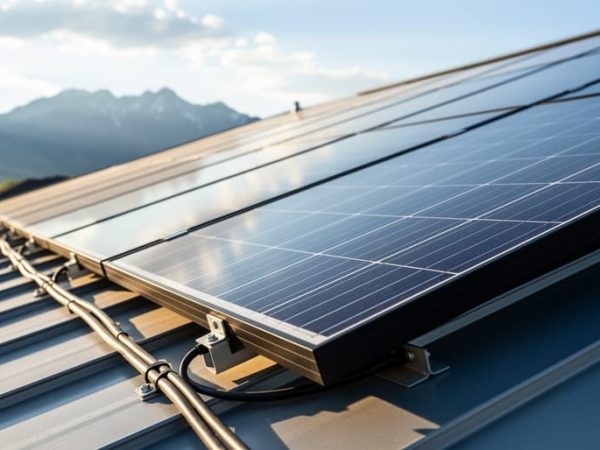
Commercial building energy systems are maintained by a combination of in-house facility teams, contracted mechanical service providers, and specialized energy management companies, depending on the size and complexity of the property. Large office towers and industrial complexes typically employ dedicated facility engineers who handle day-to-day operations, while smaller commercial buildings often rely entirely on third-party HVAC contractors for both routine maintenance and emergency repairs.
The structure mirrors residential energy maintenance in many ways, but at a much larger scale. Where a homeowner might schedule annual …

Colorado Solar Rebates: How Homeowners Can Stack Incentives and Save Thousands in 2026

Colorado homeowners installing solar in 2026 can stack multiple financial incentives to cover 50% to 70% of total system costs, combining the federal 30% tax credit with state credits, utility rebates, and special programs that layer on the same project. Unlike single-rebate programs in other states, Colorado’s incentive landscape lets you claim four or five different benefits simultaneously, making this one of the most financially attractive times to go solar in the state’s history.
The opportunity is time-sensitive. Colorado’s 10 percent residential energy storage tax credit expires December 31, 2026, and cannot …

How Much Does a Home Energy Audit Cost in Colorado? (2026 Guide)

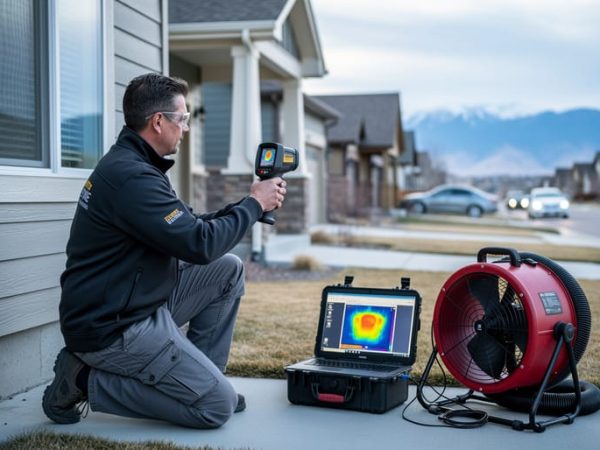
A professional home energy audit in Colorado typically costs between $400 and $500, but state and utility rebates often reduce that amount significantly or even to zero for qualifying homeowners. If you’ve noticed climbing utility bills or uneven heating and cooling, you’re likely weighing whether this investment makes sense for your home.
Key Takeaway: Most Colorado homeowners pay $400 to $500 for a professional energy audit, though rebate programs through utilities and the state…

Zero Energy Homes in Colorado: Your Path to No More Electric Bills

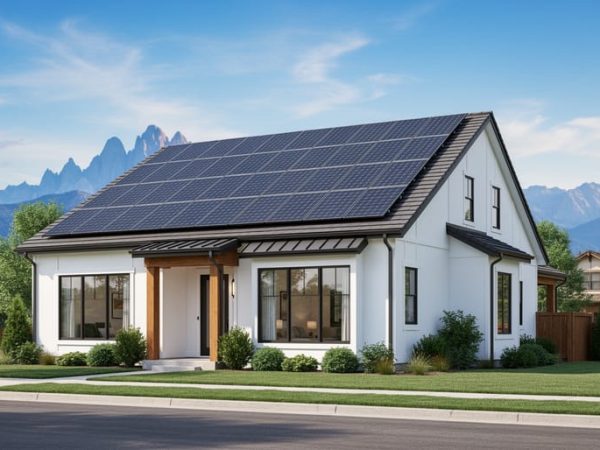
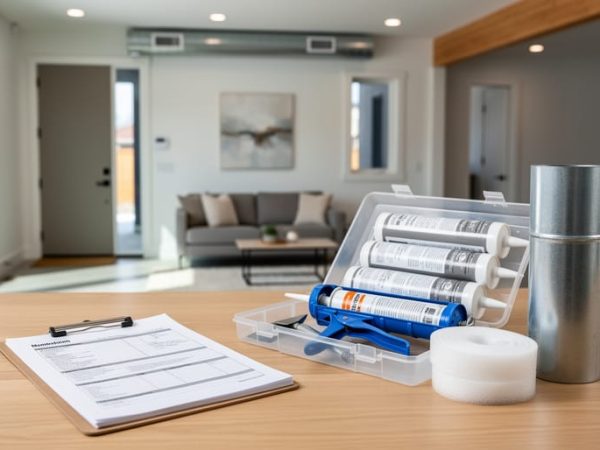
A zero energy home produces as much renewable energy as it consumes over the course of a year, slashing your utility bills to near-zero while dramatically reducing your carbon footprint. The path to achieving this in Colorado combines two critical steps: maximizing your home’s energy efficiency through upgrades like insulation and air sealing, then offsetting remaining energy needs with solar panels or other renewable systems.
Colorado homeowners have a distinct advantage in this pursuit. Our state averages over 300 days of sunshine annually, making solar generation highly productive. Combined with state and federal incentives…

Why Cash Buyers Should Care About Energy Efficiency Before Selling

Selling to a cash buyer changes the math on home improvements. Unlike traditional sales where energy efficiency upgrades can boost appraisal values and attract financing-conscious buyers, cash transactions typically close fast, as-is, with minimal inspection contingencies. That doesn’t mean energy upgrades are always pointless, but you need to be strategic about which investments make sense for your timeline and goals.
The truth is that most cash buyers focus on location, structure, and purchase price rather than utility bills. If you’re weeks away from accepting an offer, spending thousands on new windows or insulation …

The Best Solar Panels Powering Denver Homes Right Now

Denver homeowners researching solar panels face a unique decision matrix shaped by our high-altitude climate, 300 days of annual sunshine, and extreme temperature swings. Understanding which solar panel brands and models perform best in these specific conditions can mean the difference between a system that merely functions and one that maximizes your energy savings for decades.
The solar market offers three distinct tiers of panel options, each suited to different budgets and performance expectations. Premium brands like SunPower and Panasonic deliver efficiency ratings exceeding 22%, making them ideal for homes with limited roof …

Your Colorado Fireplace Could Be Wasting Thousands (Here’s How to Fix It)

Schedule annual chimney inspections before winter arrives—Colorado’s altitude and dry climate create unique creosote buildup patterns that increase fire risks. Professional chimney sweeps can identify structural damage from freeze-thaw cycles and ensure proper ventilation, which is essential at our elevation. For comprehensive maintenance guidance, visit this site to connect with qualified local experts.
Install glass doors and keep your damper closed when not burning fires to prevent heated air from escaping up the chimney—a leak that can waste 30% of your home’s warmth …

Power Your Home Office and Online Activities Without Ever Worrying About the Electric Bill

Calculate your home office power consumption by tracking your computer, monitors, router, and any additional equipment you run for extended periods. Most gaming setups draw between 300-800 watts per hour, which translates to roughly 3-8 kWh daily if you’re online consistently. Whether you’re working remotely, exploring a Live Dealer Casino platform, or streaming content, understanding your baseline usage helps you size your solar system appropriately for Colorado’s unique climate conditions.
Design your solar array with battery backup to ensure …

Why Delta-9 Gummy Users in Denver Need Better Home Ventilation

Let’s clear up a common misconception: consuming Budpop’s Delta 9 gummies online for salefrom local dispensaries doesn’t create air quality issues in your Denver home. Unlike smoking or vaping cannabis, edibles produce no smoke, odors, or airborne particles that affect indoor air quality. Your ventilation needs remain unchanged whether you consume Delta-9 gummies or not.
However, if you’re a Denver homeowner concerned about maintaining a healthy, fresh-smelling indoor environment, proper home ventilation is still essential—…