
Solar panels installed on your Colorado home will typically last 25 to 30 years before needing replacement, but here’s what that number really means: your panels won’t suddenly stop working when they hit their 25th birthday. Instead, they’ll continue generating electricity well beyond three decades, just at a gradually reduced efficiency.
The industry standard warranty of 25 years guarantees that panels will still operate at 80-85% of their original capacity by that point. That efficiency drop, about 0.5% per year, happens so gradually that you’ll barely notice the difference in your monthly energy production. Many panels from the 1980s are still generating power today, proof that these systems are built for the long haul.
For Colorado homeowners, understanding panel longevity goes beyond the numbers on a spec sheet. Our intense sun, hail storms, dramatic temperature swings, and high-altitude UV exposure all influence how well panels hold up over time. The good news? Modern solar technology is specifically engineered to withstand these conditions, and quality installation makes all the difference in reaching or exceeding that 30-year lifespan.
The real question isn’t whether solar panels last long enough to be worthwhile. With most systems paying for themselves in 7-10 years, you’re looking at two decades or more of essentially free electricity after break-even. What matters more is understanding the factors that affect degradation rates and knowing how to maximize your system’s performance throughout its lifetime, ensuring you get every watt of value from your investment.
What ‘Average Lifespan’ Really Means for Your Solar Investment
When solar manufacturers and installers talk about panels lasting 25-30 years, they’re referring to warranty periods and performance guarantees, not the point when your panels suddenly stop working. This distinction matters because many Colorado homeowners assume their investment has a hard expiration date, when the reality is much more favorable.
Solar panels don’t fail abruptly like a light bulb burning out. Instead, they gradually lose efficiency through a process called degradation. The industry standard is a degradation rate of 0.5-0.8% per year, meaning your panels produce slightly less electricity each year compared to when they were new. Most manufacturers guarantee that panels will still operate at 80-85% of their original capacity after 25 years. High-quality tier-1 panels often perform even better, retaining 90% or more of their efficiency after two and a half decades.
For Colorado homeowners, this means your panels will likely outlast their warranty coverage by years or even decades. A system installed today could still be producing meaningful electricity in 2055 and beyond. The key is understanding that the 25-30 year timeframe represents the period during which manufacturers guarantee specific performance levels, not the end of your panels’ useful life.
The financial implications are significant. Even at reduced efficiency, panels continue generating free electricity and offsetting utility costs. Many systems pay for themselves within 7-10 years in Colorado, meaning you could enjoy 15-20 years of nearly free energy production during the warranty period alone, with additional years of service beyond that. This extended performance timeline makes solar one of the most durable energy investments available to homeowners.
Factors That Affect How Long Your Solar Panels Will Last
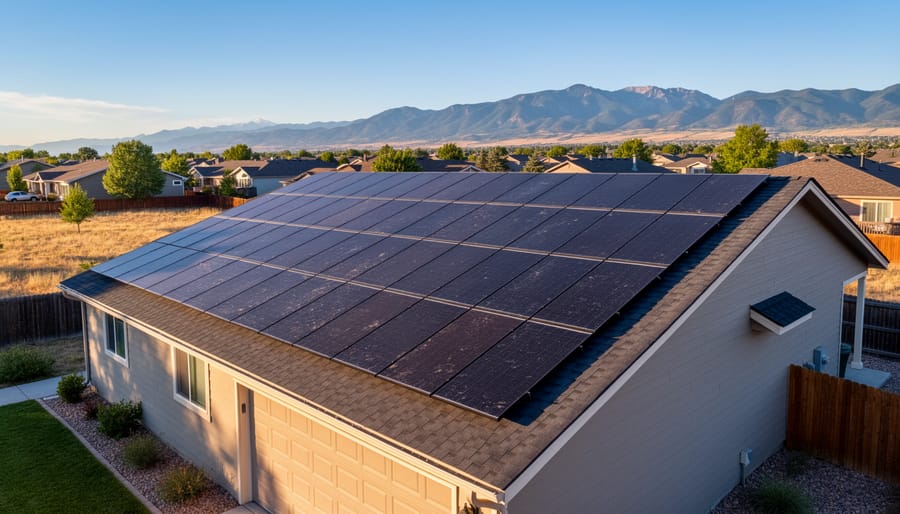
Panel Quality and Manufacturing Standards
Not all solar panels are created equal, and the quality tier you choose significantly impacts how long your system will perform. Tier-1 manufacturers, companies like LG, Panasonic, SunPower, and REC, invest heavily in research, use premium materials, and maintain rigorous quality control throughout production. These panels typically come with 25-year performance warranties guaranteeing 85-90% of original output and separate 10-25 year product warranties covering defects and physical failures.
Budget panels from lesser-known manufacturers may cost 20-30% less upfront, but they often carry shorter warranties (10-15 years), higher degradation rates, and less reliable customer support if issues arise. The difference matters: a tier-1 panel degrading at 0.5% annually will still produce 87% of its original power after 25 years, while a budget panel at 0.8% annual degradation drops to 82%, a meaningful gap in long-term production and savings.
Look for certifications that signal quality: IEC 61215 and IEC 61730 for durability and safety, plus UL 1703 certification for the U.S. market. Panels rated for extended hail resistance (IEC 61215 with additional hail impact testing) are particularly important in Colorado.
Equally crucial is working with installers who prioritize quality products over margins. Reputable contractors source the best solar panels for Colorado conditions and stand behind their installations with workmanship warranties that complement manufacturer coverage. Denver Home Energy exclusively partners with top-tier manufacturers to ensure your system delivers reliable performance for decades.
Colorado’s Climate Impact: Sun, Hail, and Temperature Swings
Colorado’s climate is a double-edged sword for solar panels. The state’s 300 days of sunshine and high-altitude UV exposure translate to excellent energy production, but that same intense sunlight accelerates material degradation over time. UV rays break down the protective backsheet and encapsulation layers that shield solar cells, though quality panels are engineered to withstand decades of this exposure without significant issues.
Hail presents the most dramatic threat to panel longevity in Colorado. The Front Range sees some of the nation’s most severe hailstorms, particularly during spring and early summer. Panels rated for IEC 61215 testing can typically withstand hail up to one inch, but Colorado storms often produce larger stones. Many experienced installers recommend panels tested to UL 61730 standards or those specifically rated for severe hail conditions. While tempered glass is remarkably durable, a direct hit from two-inch hail can still cause microfractures or outright cracks that compromise performance.
Temperature swings add another layer of stress. Colorado panels might experience surface temperatures exceeding 150°F on summer afternoons, then drop below freezing overnight. This constant expansion and contraction stresses solder joints, frames, and mounting hardware. Cheaper panels with lower-grade materials may develop loose connections or delamination faster under these conditions.
Snow loads rarely damage well-installed systems since panels are designed to handle significant weight, and snow typically slides off their smooth, angled surfaces. However, accumulated ice along panel edges can strain frames if mounting systems aren’t properly engineered for regional snow loads.
Working with installers who understand these Colorado-specific challenges ensures you get panels and mounting systems built to handle what our climate throws at them year after year.
Installation Quality and Mounting Systems
Even the highest-quality solar panels won’t reach their full 25-30 year lifespan if they’re poorly installed. How your system is mounted and connected directly impacts durability, and corners cut during installation often surface years later as expensive problems.
Secure mounting is foundational. Panels anchored properly distribute wind loads evenly and prevent stress fractures from Colorado’s notorious gusts. Penetrations through your roof must be sealed correctly, water infiltration damages not just your roof but can corrode electrical connections and void warranties. Experienced installers know which mounting hardware withstands temperature swings without loosening over time.
Electrical connections matter just as much. Loose or corroded wiring creates resistance, generating heat that degrades components faster. Quality installers use weatherproof junction boxes, proper conduit, and connections rated for outdoor exposure. They also ensure adequate ventilation beneath panels, trapped heat accelerates degradation, particularly during Colorado’s intense summer sun.
Your roof’s condition sets the stage for everything else. Installing panels on a roof nearing replacement means you’ll pay to remove and reinstall the system within a few years. A thorough installer assesses structural integrity, replaces worn materials first, and plans layouts that minimize future complications. Quality workmanship isn’t just about following code, it’s about building systems that perform reliably for decades.
Maintenance and Care Over Time
Solar panels need surprisingly little hands-on care, but a few simple habits make a real difference in longevity. In Colorado, dust storms and pollen accumulation, especially around Denver, can coat panels and reduce output by 5-10%. Rinsing them with a hose a few times yearly usually suffices; avoid abrasive brushes that scratch protective coatings. After heavy snow, panels typically self-clear, but gently removing debris like leaves or branches prevents hotspots that accelerate wear.
Monitor your system’s production through its app or inverter display. A sudden drop signals a potential issue worth investigating before minor problems compound. Many homeowners pair solar monitoring with a periodic home energy audit to optimize overall efficiency. Schedule a professional inspection every three to five years to check electrical connections, mounting integrity, and panel condition, proactive attention catches small issues early and protects your investment for decades.
Performance Degradation: What to Expect Year by Year
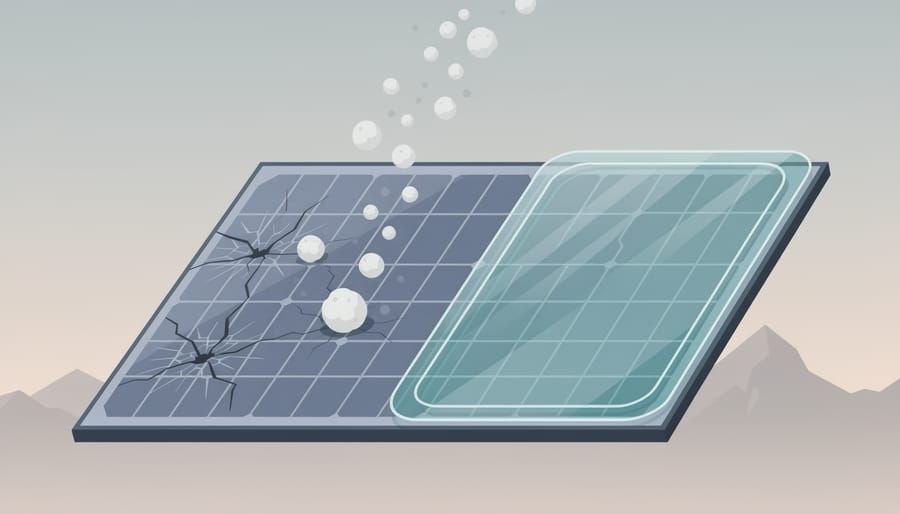
Most solar panels don’t fail catastrophically, they gradually produce less electricity. Understanding this degradation curve helps you know what’s normal and when to be concerned.
In your first year, expect your panels to produce very close to their rated output. After that, most panels degrade between 0.5% and 0.8% annually. The difference between premium vs standard panels becomes significant over decades, as higher-quality modules typically degrade at the slower end of that range.
| Years in Service | Standard Panel Efficiency | Premium Panel Efficiency |
|---|---|---|
| 5 years | 96% | 97.5% |
| 10 years | 92% | 95% |
| 15 years | 88% | 92.5% |
| 20 years | 84% | 90% |
| 25 years | 80% | 87.5% |
Your monitoring system tracks actual production against expected output based on weather conditions. Modern inverters and apps make this easy, alerting you to drops that exceed normal degradation. A 1% annual decline is expected; a sudden 10% drop signals a problem worth investigating.
Even at 80% capacity after 25 years, your panels still generate significant electricity and cost savings. Replacement makes sense only when production drops below your energy needs or repair costs outweigh the benefits. For most Colorado homes, panels remain cost-effective well into their third decade, continuing to offset utility bills and reduce your carbon footprint. Regular monitoring helps you make informed decisions about maintenance, repair, or eventual replacement based on actual performance data rather than age alone.
Signs Your Solar Panels May Need Attention or Replacement
Catching problems early can save you thousands in lost production and prevent minor issues from becoming major failures. Here’s what to watch for.
A sudden drop in energy output is often the first warning sign. If your monitoring system shows production falling more than 10-15% below expected levels for the same seasonal conditions as previous years, something’s wrong. Check for obvious causes first, debris coverage, nearby new construction blocking sunlight, or recent snow accumulation, but persistent unexplained drops warrant professional inspection.
Physical damage is easier to spot during a visual inspection from the ground. Look for cracked glass, which can let moisture penetrate the cells and accelerate degradation. Discoloration, especially burn marks or yellowing around cells, indicates failing components or moisture intrusion. Hotspots, areas that appear darker or delaminated, signal localized failures that can spread if left unchecked.
Your inverter deserves regular attention too. Error messages, frequent shutdowns, or strange noises suggest electrical issues that might stem from panel problems or wiring faults. Colorado’s temperature swings stress inverters particularly hard, so failures after 10-12 years aren’t uncommon even when panels remain healthy.
Most of these issues are repairable. Individual damaged panels can be swapped out, inverters replaced, and wiring upgraded without scrapping the entire system. True end-of-life scenarios, when panels have degraded beyond 80% capacity or widespread physical damage makes repair impractical, typically only happen after 25-30 years or severe weather events.
If you notice any concerning signs, call a qualified solar technician familiar with Colorado installations. They’ll diagnose whether you need a simple fix or a larger intervention.
Maximizing Your Solar Panel Lifespan in Colorado
Getting three decades of reliable performance from your solar panels in Colorado starts with smart decisions at installation and consistent care afterward. Choose panels with a UL 2218 Class 4 hail rating, the highest standard available, which ensures they can withstand Colorado’s notorious hailstorms without cracking or losing efficiency. Proper system sizing matters more than many homeowners realize; an oversized system that frequently operates below capacity or an undersized one constantly maxing out creates unnecessary stress on components and accelerates degradation.
Establish a simple maintenance routine: inspect panels quarterly for debris accumulation (pine needles and dust are common culprits along the Front Range), check mounting hardware annually for rust or looseness, and clean panels when you notice significant dirt buildup. A monitoring system that tracks daily production gives you early warning of performance drops before they become costly problems. Many homeowners pursuing zero energy homes find that proactive monitoring and maintenance are essential for meeting their energy goals year after year.
Schedule professional inspections every three to five years to catch issues your eye might miss, loose connections, microcracks developing in cells, or inverter components nearing end-of-life. Denver Home Energy’s approach combines quality installation with ongoing support, ensuring your panels deliver peak performance throughout their lifespan. This combination of careful selection, proper installation, and consistent attention keeps your investment working hard for decades.
Common Questions About Solar Panel Lifespan
Do solar panels stop working after 25 years?
No, they don’t suddenly fail. After 25 years, most panels still produce 80-90% of their original output and continue generating power for years beyond that timeframe. The 25-30 year figure represents warranty coverage and expected high performance, not an expiration date.
What happens to my warranty after 25 years?
Most manufacturers offer 25-year performance warranties guaranteeing at least 80% output. After that period ends, your panels typically keep working but without warranty coverage. Some extended warranties or workmanship guarantees from installers may offer additional protection.
Can old solar panels be recycled?
Yes, up to 95% of a solar panel’s materials can be recycled, including glass, aluminum frames, and silicon cells. Colorado has growing solar recycling infrastructure, and responsible installers can help arrange proper disposal when panels eventually reach end-of-life.
Should I wait for better solar technology before installing?
Waiting costs you money in lost energy savings and Colorado solar rebates available now. Today’s panels already last 30+ years with solid efficiency. The financial payback from immediate installation typically outweighs marginal future improvements.
Will new technology make my current panels obsolete?
Not functionally. While newer panels may offer slightly higher efficiency, your system will keep producing clean energy and savings for decades. The question isn’t obsolescence but whether your panels meet your energy needs and deliver returns on your investment.
These questions reflect real concerns from Colorado homeowners weighing solar investments. The durability and proven performance of current technology, combined with immediate financial benefits, make solar a smart choice now rather than a gamble on future improvements. Your system’s value comes from decades of reduced utility bills and energy independence, not from having the absolute latest technology. When you work with experienced local installers who understand Colorado’s climate challenges, you get panels selected for regional durability that will serve your home reliably through their full lifespan and beyond.
Solar panels represent one of the most reliable long-term investments you can make in your Colorado home. With a proven lifespan of 25 to 30 years, and often continuing to produce power well beyond that, quality panels deliver decades of energy savings and environmental benefits.
The key to maximizing that durability lies in three critical factors: selecting panels built to withstand Colorado’s unique climate challenges, working with installers who understand our regional weather patterns, and maintaining your system with simple, periodic care. When these elements come together, your solar investment pays dividends for a generation or more.
Colorado’s intense sun exposure means your panels will generate substantial energy over their lifetime, but our hail storms and temperature swings demand equipment that’s truly built to last. That’s where partnering with experienced local specialists makes all the difference. Professional installation combined with quality materials ensures your system performs reliably year after year.
At Denver Home Energy, we’re committed to delivering solar installations that stand the test of time. Our focus on quality workmanship and durable, weather-resistant components means your investment continues generating clean energy and savings for decades to come.