
The best Fort Collins solar company is the one that fits your roof, your budget, and your goals for energy efficiency, not simply the one with the lowest quote. Local homeowners have plenty of choices, and SolarReviews alone breaks down seven top installers in town, including companies that handle both solar panels and battery storage.
Here’s the price baseline. EnergySage puts the average solar system in Fort Collins at $30,853 before incentives, so the incentive side of the equation matters as much as the sticker price. Fort Collins Utilities offers incentives for solar photovoltaic systems and battery storage, and they’re open to single-family and multi-family homes, including individual and shared energy systems.
You’re in good company, too. More than 5,000 residential customers here already generate their own power, adding up to over 28 megawatts of capacity. That’s real proof the switch brings lasting cost savings and a smaller carbon footprint.
This guide walks you through how to compare local installers, what to weigh before you sign, and which mistakes to sidestep. For a wider view of the process, our Colorado solar buying guide is a good companion read. Quality workmanship and a clear understanding of your options will serve you for decades.
What Solar Looks Like for Fort Collins Homes Today

Solar Panels and Battery Storage in Plain English
Solar panels turn sunlight into electricity. When light hits the panels, it creates a flow of power your home can use right away, which cuts the amount you buy from the grid. Colorado gets plenty of sunshine, so that’s a natural fit for lowering energy costs.
A battery adds flexibility. Instead of sending extra power back to the grid, it stores that energy so you can use it later, like in the evening when the panels aren’t producing.
Together, they work best as part of a bigger efficiency plan. Using less energy first means you need a smaller system to cover the rest. That idea is the foundation of zero energy homes where efficiency and clean power work side by side to support sustainability and long-term cost savings.
Key Factors to Weigh When Choosing a Fort Collins Solar Installer
Questions to Ask Every Solar Company Before You Sign
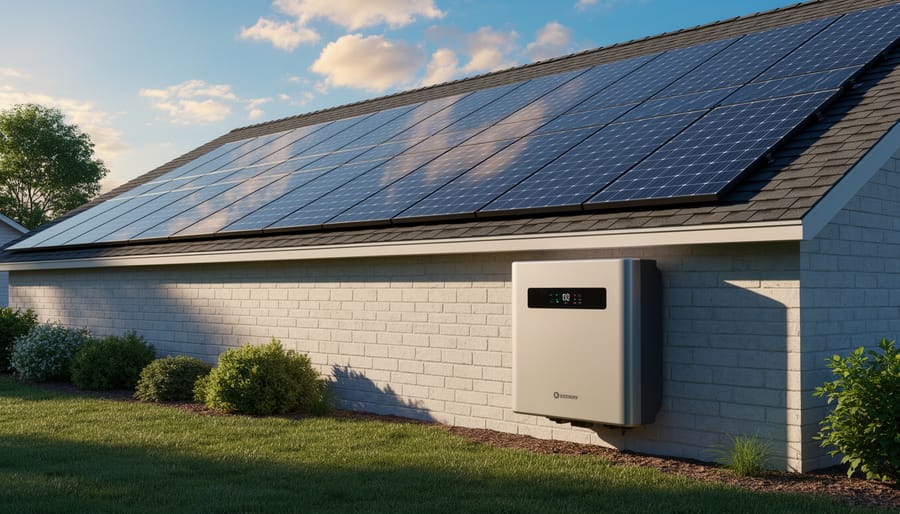
Picking an installer goes more smoothly when you walk in with a short list of questions. Here are the ones worth asking every company on your shortlist:
– Local experience: How many systems have you installed within Fort Collins Utilities territory? Do you know how the utility’s solar and battery storage incentives work for single-family and multi-family homes?
– Interconnection support: Who handles the paperwork to connect your system to the grid, and will they keep you updated along the way?
– Battery options: Do you install solar battery storage as well as panels, and can you quote both so you can compare?
– Service after install: If something needs attention years from now, who do you call? Since solar panels last 25-30 years you want a company that will still be around to help.
– Reading the quote: What exactly is included in the price, and what isn’t?
It also helps to know the basics of solar panel lifespan so you can ask how a company thinks about long-term upkeep.
Good installers welcome these questions. Clear, confident answers are a strong sign you’re talking with a team that values quality workmanship and local expertise.
Types of Solar Providers Compared: Which Fits Your Home?
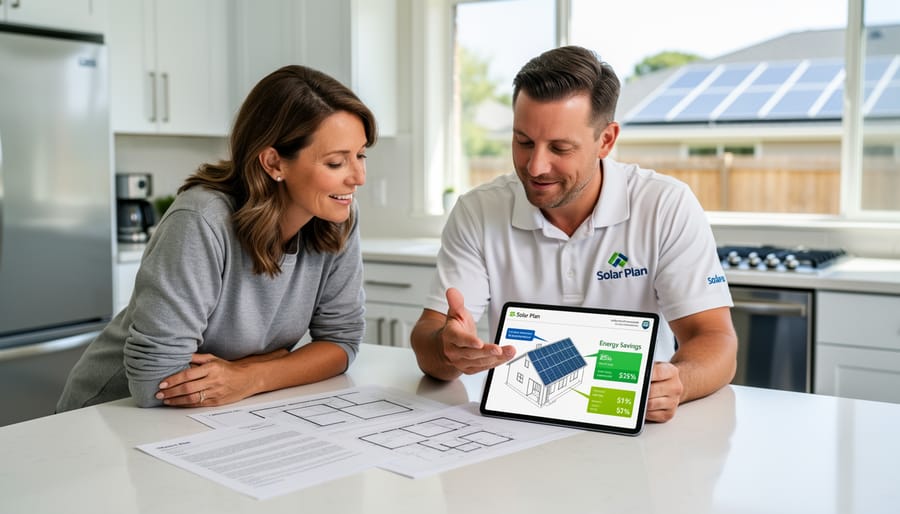
Not every solar company works the same way, and the right fit depends on your home, your budget, and how much hands-on support you want. In Fort Collins, you’ll generally run into three kinds of providers, and each has its own strengths.
Local installers tend to know the area well, including how Fort Collins Utilities handles solar and battery incentives. Larger regional or national companies often bring broader name recognition and the scale to handle many projects. Some companies, whatever their size, focus on pairing panels with battery storage, while others install panels only. SolarReviews recommends companies that install both panels and solar battery storage, which is a helpful signal if backup power or shifting your usage matters to you.
Here’s a quick way to compare the options:
| Provider type | Typical strengths | What to confirm | Best fit for |
|---|---|---|---|
| Local specialist | Familiarity with Fort Collins Utilities incentives and nearby homes | Service after install and how long they’ve operated locally | Homeowners who want a long-term local relationship |
| Regional or national installer | Broad experience and standardized processes | Who handles local support and incentive paperwork | Homeowners comparing multiple quotes on price and system size |
| Installer with battery storage focus | Panels plus storage designed as one system | Battery options and how storage is priced in the quote | Homeowners who want stored power for later use |
Price is worth keeping in perspective. EnergySage reports the average solar system in Fort Collins costs $30,853 to install before incentives, so quotes will vary based on system size and what’s included. Since Fort Collins Utilities offers incentives for solar PV and battery storage across single-family and multi-family homes, including individual and shared systems, ask each company how they support that process.
For a starting point, SolarReviews’ roundup of seven Fort Collins installers is a handy place to browse options, and Sandbox Solar is one named example worth looking at alongside others. Treat these as research tools, not rankings. Request a few quotes, compare what each includes, and choose the team whose workmanship and local know-how give you confidence.
What Solar Costs in Fort Collins and the Incentives That Help
Fort Collins Utilities Incentives: Who Qualifies
Fort Collins Utilities offers solar and battery incentives for residential customers who install solar photovoltaic systems and battery storage. The good news is that eligibility is fairly broad. The incentives cover both single-family and multi-family homes, and they apply to individual systems as well as shared energy systems. So whether you own a house or live in a multi-unit building, there may be a path for you.
Because amounts, steps, and program details can change, check with the utility directly before you finalize a quote. Ask each installer how they handle the paperwork and what incentives they’ve helped customers claim in Fort Collins. For a bigger picture of how local programs fit alongside other savings, our guide to Colorado solar rebates is a helpful companion.
Our Recommendations: Matching a Solar Company to Your Situation
The best Fort Collins solar company is the one that matches how you plan to use your system. Instead of naming winners, here’s how to match your situation to what matters most.
If you want predictable energy costs, solar can help protect you against rising utility rates, which is a big reason many households go solar. Look for an installer who can walk you through your expected production and savings in plain language. Keep in mind that EnergySage puts the average Fort Collins system at $30,853 before incentives, so a clear, itemized quote matters.
Here’s a quick way to match your priorities to what you should look for:
- Want backup power and flexibility: prioritize battery storage experience.
- Living in a multi-family home or sharing a system: confirm the company can support shared-system incentives.
- Focused on long-term value: prioritize company longevity and a solid service reputation.
- Want predictable monthly costs: ask for a clear, line-by-line quote you can compare.
Fort Collins Utilities offers incentives for solar PV and battery storage for both single-family and multi-family homes, including individual and shared energy systems. A good local installer should be comfortable talking you through these, but always confirm current details with the utility yourself.
For research, SolarReviews and EnergySage are both helpful starting points. SolarReviews breaks down seven of the best installers in Fort Collins and recommends companies that install both panels and battery storage. Use them to build a short list, then gather at least a few local quotes so you can compare price, services, and how each company communicates.
One more step before you sign anything: cut your usage first. At Denver Home Energy, we’ve seen that pairing solar with an energy audit and better insulation often means you can install a smaller system. That’s good for your wallet and for the planet, since the cheapest, cleanest kilowatt-hour is the one you never have to produce.
Common Solar Shopping Mistakes to Avoid
A few smart moves can save you real money and headaches when you shop for solar. Here’s what experienced homeowners tend to do differently.
Look beyond the lowest price. A bargain quote is appealing, but the cheapest bid isn’t always the best value. Compare equipment, workmanship, and service alongside the number at the bottom. SolarReviews points out that panels last a long time, so you want an installer who’ll still be around to help down the road.
Gather several quotes. The average Fort Collins system runs about $30,853 before incentives, according to EnergySage, but your home could land well above or below that. Collecting a few local quotes shows you what’s typical and helps you spot anything that looks off.
Check incentives early. Fort Collins Utilities offers incentives for solar PV and battery storage, including for single-family and multi-family homes. Ask each company how they’ll help you take advantage of them, and confirm current details with the utility itself.
Start with efficiency. A tighter, better-insulated home needs a smaller system, which can mean lower upfront costs. Learning the typical home energy audit cost is a smart first step, since an audit shows where your home is losing energy.
Get clear on what’s included. Ask each installer to spell out exactly what their quote covers, so you can compare bids on equal footing. A little clarity upfront makes the final decision much easier.
Fort Collins Solar Company FAQs
Solar questions come up a lot once homeowners start comparing installers. Here are quick answers to the ones we hear most.
How many Fort Collins homes have solar?
According to Fort Collins Utilities, more than 5,000 residential customers have solar PV systems. Together, those systems contribute more than 28 megawatts of generating capacity.
How much does solar cost in Fort Collins?
EnergySage reports that the average system in Fort Collins costs $30,853 to install before incentives. Your own quote will depend on your roof, system size, and the equipment you choose.
Are there incentives for solar and batteries?
Yes. Fort Collins Utilities offers incentives for solar PV and battery storage, for single-family and multi-family homes, including individual and shared systems. Check with the utility for current amounts and requirements.
How long do solar panels last?
Solar panels typically last 25 to 30 years. That’s why it pays to pick an installer who will still be around to support your system.
Whether you need battery storage depends on your goals. Panels alone can cut your electricity costs, while a battery stores power for later use. If that appeals to you, look for companies that install both.
To compare solar companies, gather a few local quotes and look at price, system size, incentive know-how, battery options, and customer service side by side. SolarReviews and EnergySage are good places to start your research.
Choosing among Fort Collins solar companies comes down to three steps. Start by getting clear on your needs: your roof, your budget, and whether you want battery storage. Then compare a few local quotes with incentives in mind, since Fort Collins Utilities offers incentives for solar PV and battery storage, and confirm the current details with them directly. Finally, choose the team that pairs quality workmanship with real local expertise and will still be around to support your system for decades.
That’s the heart of Solar Energy Solutions for Colorado Homes: smart choices that cut energy costs and support a more sustainable home.
If you’re not sure where to begin, start with a home energy audit. Trimming wasted energy first can help you size a system more wisely and save more. Or reach out to Denver Home Energy for friendly guidance on solar and efficiency upgrades that fit your home.