
Let’s clear up a common misconception: consuming Budpop’s Delta 9 gummies online for salefrom local dispensaries doesn’t create air quality issues in your Denver home. Unlike smoking or vaping cannabis, edibles produce no smoke, odors, or airborne particles that affect indoor air quality. Your ventilation needs remain unchanged whether you consume Delta-9 gummies or not.
However, if you’re a Denver homeowner concerned about maintaining a healthy, fresh-smelling indoor environment, proper home ventilation is still essential—just not for the reasons you might think. Colorado’s unique climate presents specific challenges: our dry air, dramatic temperature swings, and frequent wildfire smoke events make effective ventilation systems crucial for every home.
Poor ventilation traps cooking odors, moisture from bathrooms, pet dander, and volatile organic compounds from household products. Over time, this creates stuffy, uncomfortable living spaces and can contribute to mold growth and respiratory issues. Modern ventilation solutions like energy recovery ventilators (ERVs) and heat recovery ventilators (HRVs) continuously exchange stale indoor air with fresh outdoor air while maintaining your home’s temperature—reducing energy costs by up to 30% compared to simply opening windows.
Whether you’re interested in edibles or simply want to breathe easier at home, understanding Denver-specific ventilation strategies helps you create a healthier living space while maximizing energy efficiency year-round.
The Air Quality Challenge with Delta-9 THC Products
How Delta-9 Gummies Affect Your Indoor Environment
Unlike smoking or vaping, Delta-9 gummies don’t produce combustion byproducts or secondhand smoke. However, they can still affect your indoor environment in subtle ways that Denver homeowners should understand.
Storage is the primary consideration. Gummies and their packaging can emit mild odors, especially if stored improperly or if containers aren’t sealed tightly. These scents may linger in pantries, cabinets, or storage areas, particularly in spaces with poor air circulation. Temperature fluctuations can intensify these odors, making proper ventilation more important than many realize.
Packaging materials also play a role. Mylar bags, plastic containers, and cardboard boxes can introduce various off-gassing compounds into your home’s air over time. While these emissions are typically minimal, they add to your overall indoor air quality picture.
Perhaps most significantly, many Colorado residents consume Delta-9 products in enclosed spaces like bedrooms, basements, or home offices where they’re comfortable and private. These same areas often have limited airflow and can accumulate humidity from everyday activities. Without adequate ventilation, these spaces may feel stuffy or develop moisture issues that affect comfort and air quality—concerns that go well beyond gummy storage and highlight the importance of whole-home ventilation strategies.
Denver’s Unique Climate Considerations
Denver’s mile-high location brings unique challenges that directly impact your home’s air quality and comfort. At 5,280 feet above sea level, the air pressure is lower and humidity levels typically hover around 30%—well below the recommended 40-50% for optimal indoor comfort. This dry climate means moisture evaporates quickly, affecting everything from your skin to how odors linger in your home.
Temperature swings are another consideration. Denver residents know mornings can start at 40°F and climb to 75°F by afternoon, which puts significant stress on your HVAC system. Without proper ventilation, these fluctuations can trap stale air, concentrate household odors (whether from cooking, pets, or stored products like Delta-9 gummies), and create an uncomfortable living environment.
The combination of low humidity and rapid temperature changes also impacts energy efficiency. Homes without adequate ventilation systems often over-rely on heating and cooling, driving up utility costs. For homeowners storing cannabis products or simply wanting fresher indoor air, understanding these climate factors is the first step toward creating a more comfortable, energy-efficient home that works with Denver’s unique environmental conditions rather than against them.

Why Proper Ventilation Matters for Cannabis-Friendly Homes
Odor Control and Air Freshness
Even though Delta-9 gummies don’t produce smoke or vapor, maintaining fresh indoor air remains essential for any Colorado home. A well-designed ventilation system continuously exchanges stale indoor air with fresh outdoor air, preventing stuffiness and naturally eliminating any lingering odors—whether from cooking, pets, or stored cannabis products.
Modern energy recovery ventilators (ERVs) and heat recovery ventilators (HRVs) are particularly effective solutions for Denver homeowners. These systems bring in fresh air while maintaining your home’s temperature, meaning you won’t sacrifice energy efficiency for air quality. Unlike air fresheners that simply mask odors with chemicals, proper ventilation addresses the root cause by removing odor particles and moisture that can trap smells.
For homes where cannabis products are stored, consistent air circulation prevents concentrated odors in specific areas like pantries or storage spaces. The result is a naturally fresh-smelling home without relying on sprays, plug-ins, or other artificial solutions. Plus, improved ventilation reduces humidity levels that can affect how odors linger, creating a more comfortable living environment year-round while lowering your energy costs through efficient air exchange.
Humidity and Temperature Balance
While Delta-9 gummies don’t require special ventilation like smokeable products, proper storage does matter for maintaining their potency and quality. These products perform best when kept in cool, dry conditions—typically between 60-70°F with humidity levels around 40-60%. Colorado’s climate can be tricky, with our dry winters and temperature swings making it challenging to maintain consistent conditions throughout your home.
This is where whole-home ventilation systems shine. A well-designed ventilation system helps regulate both temperature and humidity levels in every room, not just the areas where your HVAC system focuses. By continuously exchanging stale indoor air with fresh outdoor air while recovering energy in the process, these systems prevent the hot and cold spots that can affect storage areas like pantries or cabinets.
For Colorado homeowners, this balanced approach means lower energy bills and better air quality year-round. You’re creating an environment that’s comfortable for you and optimal for anything requiring stable storage conditions—all while reducing your home’s energy footprint through smart, efficient ventilation.
Ventilation Solutions That Make Sense for Denver Homes
Energy Recovery Ventilators (ERVs)
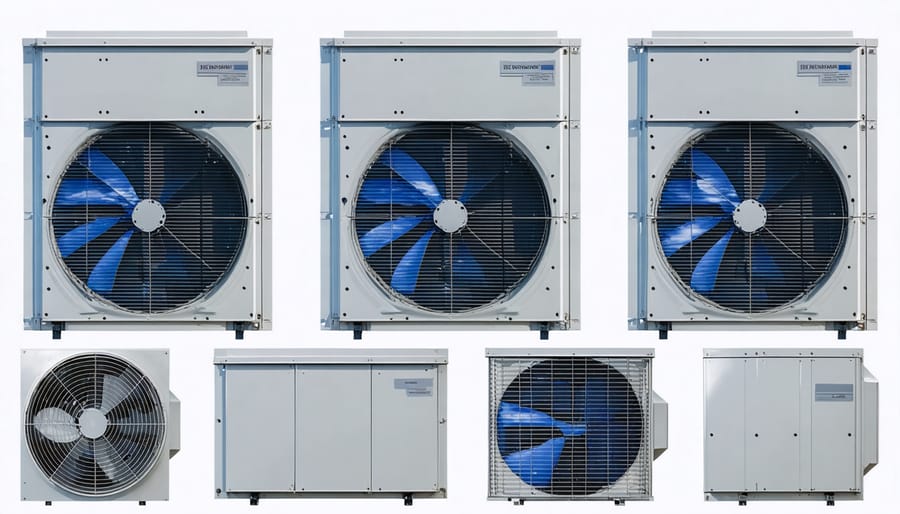
Energy Recovery Ventilators represent one of the smartest energy efficiency improvements you can make in Denver’s challenging climate. These systems work by exchanging stale indoor air with fresh outdoor air while transferring heat and moisture between the two streams. In winter, your outgoing warm air heats the incoming cold air before it enters your home. In summer, the process reverses, pre-cooling incoming air with your conditioned exhaust.
For Denver homeowners, this matters significantly. Our high-altitude climate means dramatic temperature swings—sometimes 40 degrees in a single day. An ERV maintains comfortable indoor conditions and excellent air quality without forcing your HVAC system to work overtime. You’ll breathe fresher air while cutting heating and cooling costs by up to 30%.
Whether you’re concerned about cooking odors, pet dander, or simply want a healthier home environment, ERVs deliver continuous ventilation without the energy waste of opening windows. They’re particularly valuable in our dry climate, helping maintain optimal humidity levels year-round while keeping your home fresh and comfortable.
Heat Recovery Ventilators (HRVs)
Heat Recovery Ventilators are an excellent choice for most Denver homes, especially given Colorado’s dry climate. Unlike ERVs, HRVs focus solely on transferring heat between incoming and outgoing air, without exchanging moisture. This makes them ideal for our region, where adding humidity indoors is often desirable during winter months.
Here’s how HRVs deliver value: They capture up to 80% of the heat from stale indoor air before it’s exhausted outside, then transfer that warmth to the fresh air coming in. This process significantly reduces your heating costs while maintaining a constant supply of clean, fresh air throughout your home. For homeowners concerned about indoor air quality—whether from cooking odors, pet dander, or simply wanting a fresher-smelling space—HRVs provide continuous ventilation without the energy penalty.
The cost savings are substantial in Colorado’s climate. By recovering heat that would otherwise be lost, HRVs can reduce your winter heating bills by 25-40%. They’re particularly effective in newer, well-sealed homes where natural air exchange is minimal. Our local experience shows that HRVs typically offer better performance and lower operating costs than ERVs for Denver-area homes, making them a smart investment in both comfort and sustainability.
Exhaust and Supply Ventilation Upgrades
Not every ventilation upgrade requires a major investment. Sometimes the most practical improvements start with the systems you already have. Upgrading your bathroom and kitchen exhaust fans can dramatically improve air circulation throughout your home. Modern, energy-efficient fans operate more quietly while moving significantly more air than older models, helping remove cooking odors, moisture, and stale air that naturally accumulates in any Colorado home.
For a more comprehensive approach, consider adding a dedicated fresh air intake system. These systems bring filtered outdoor air directly into your HVAC system, ensuring a constant supply of fresh air without the energy waste of simply opening windows. This is especially valuable during Denver’s temperature extremes when you want ventilation without sacrificing heating or cooling efficiency. These affordable upgrades deliver noticeable improvements in indoor air quality while supporting your home’s overall energy performance—benefits every homeowner can appreciate, regardless of lifestyle choices.
The Energy Efficiency Connection
Modern ventilation systems offer Colorado homeowners a powerful combination of improved air quality and reduced energy costs—a true win-win for your home and wallet. While Delta-9 gummies don’t create the air quality concerns associated with smoking, upgrading your home’s ventilation can still deliver significant benefits that extend far beyond odor control.
Energy-efficient ventilation systems, particularly Energy Recovery Ventilators (ERVs) and Heat Recovery Ventilators (HRVs), work by exchanging stale indoor air with fresh outdoor air while transferring heat energy in the process. During Denver’s cold winters, these systems capture warmth from outgoing air and use it to pre-heat incoming fresh air. In summer, they work in reverse, reducing the load on your cooling system. This smart exchange means you’re not wasting the energy you’ve already spent heating or cooling your home.
The cost savings can be substantial. Homeowners who upgrade to modern ventilation systems typically see a 20-30% reduction in heating and cooling costs. For Colorado residents facing rising energy prices, this translates to hundreds of dollars saved annually while maintaining superior indoor air quality year-round.
Beyond the financial benefits, improved ventilation supports sustainability goals that matter to environmentally conscious Coloradans. By reducing your home’s energy consumption, you’re lowering your carbon footprint and contributing to our state’s clean energy future. These systems also extend the life of your HVAC equipment by reducing strain and improving overall efficiency.
Whether you’re concerned about indoor air freshness or simply interested in saving energy at home, investing in quality ventilation represents a smart, sustainable choice for your Denver residence.
Getting Started: What Denver Homeowners Should Know
Ready to improve your Denver home’s ventilation and indoor air quality? Here’s how to take the first step toward a healthier, more efficient living space.
**Schedule a Professional Assessment**
The best starting point is a comprehensive home energy audit. This assessment identifies where your home is losing conditioned air and how your current ventilation system performs. For Colorado homeowners, spring and fall are ideal times to schedule an audit, allowing you to implement improvements before extreme weather hits. A quality audit typically costs between $300-$500 for Denver-area homes, though many utility companies offer rebates that can significantly reduce this investment.
**Finding the Right Ventilation Professional**
Look for contractors with specific Colorado experience who understand our unique climate challenges—from dry winter air to summer wildfire smoke concerns. Ask potential professionals about their certifications (BPI or RESNET credentials are gold standards), request references from local projects, and verify they’re licensed and insured. Quality workmanship matters significantly when it comes to ventilation systems, so don’t simply choose the lowest bid.
**Understanding Cost Expectations**
Ventilation improvements vary widely in scope and price. Simple fixes like adding exhaust fans might run $500-$1,500, while whole-home mechanical ventilation systems typically range from $2,000-$6,000 installed. Energy recovery ventilators (ERVs), popular in Colorado’s dry climate, fall on the higher end but deliver substantial energy savings over time. Many improvements qualify for state and federal energy efficiency incentives, reducing your out-of-pocket costs while boosting your home’s comfort and sustainability.
Whether you’re enjoying Delta-9 gummies or simply want to create a healthier, more comfortable home environment, quality ventilation plays a crucial role in your Denver living experience. While edibles don’t produce smoke or vapor, the broader benefits of proper home ventilation—improved indoor air quality, better humidity control, and enhanced energy efficiency—make it a worthwhile investment for any Colorado homeowner.
A well-ventilated home means fewer odors, reduced allergens, and a more comfortable atmosphere year-round. For Delta-9 users, this translates to a fresher-smelling space and better overall air circulation, even though gummies themselves don’t impact air quality. More importantly, modern ventilation systems can actually lower your energy costs by reducing the workload on your HVAC system while maintaining consistent indoor temperatures through Denver’s varying seasons.
The key is understanding your home’s unique ventilation needs. Every property has different airflow patterns, insulation levels, and efficiency opportunities. A professional assessment from local experts who understand Colorado’s climate and building characteristics can identify specific improvements that deliver real cost savings and comfort gains.
Take the next step toward a healthier, more efficient home. Evaluating your ventilation system isn’t just about air quality—it’s an investment in sustainable living and long-term energy savings that benefit both your family and your wallet.